
Aircraft Loading and Unloading: Bulk
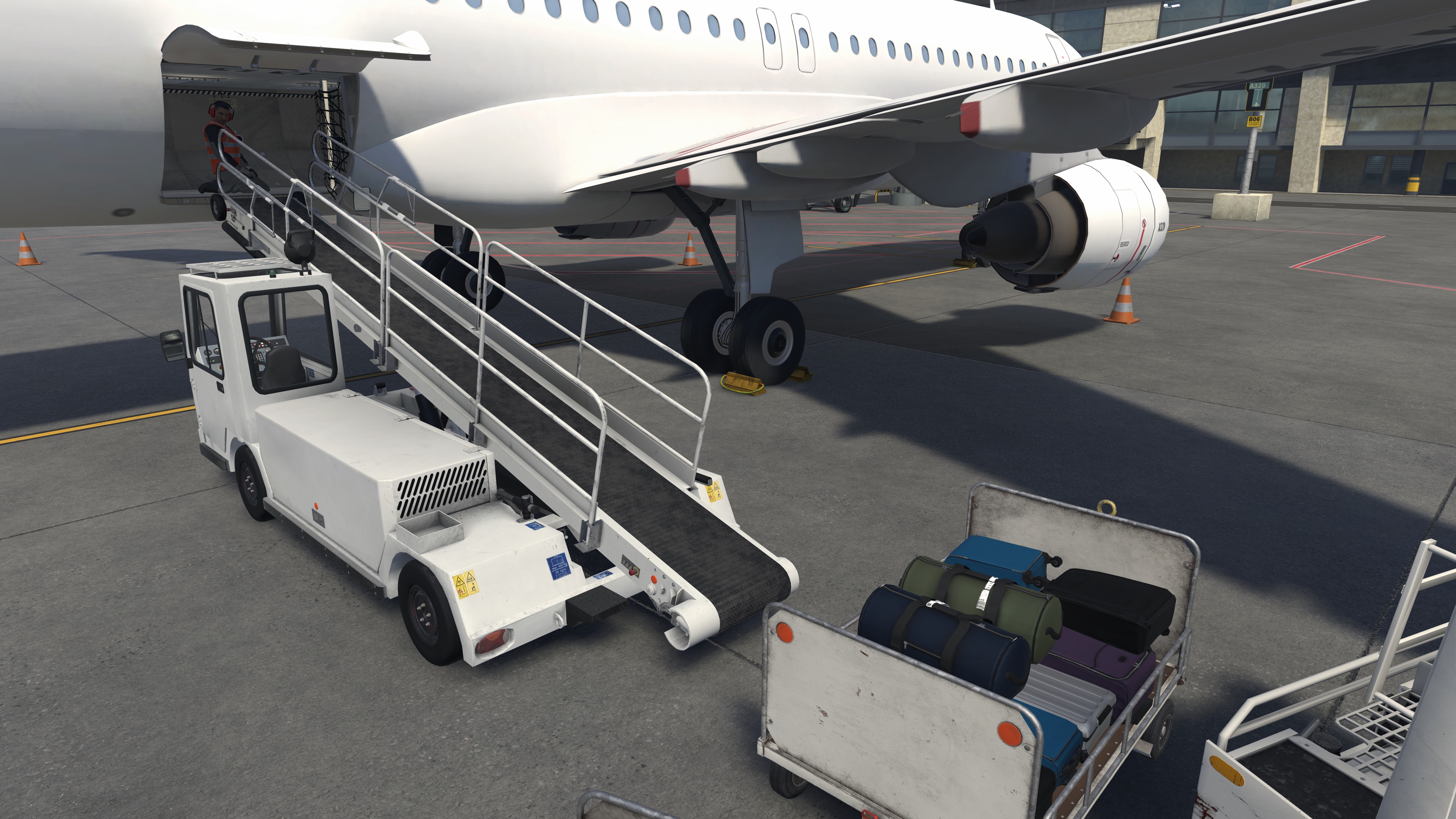
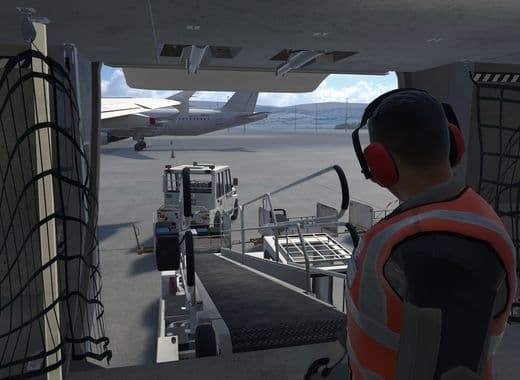
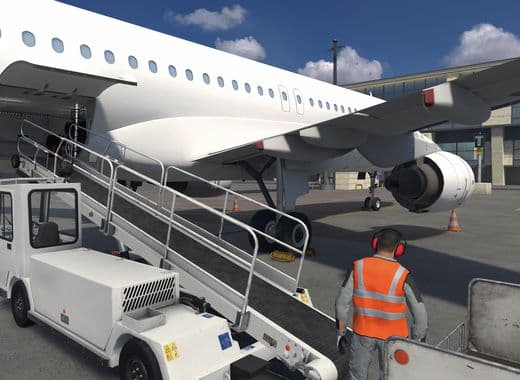
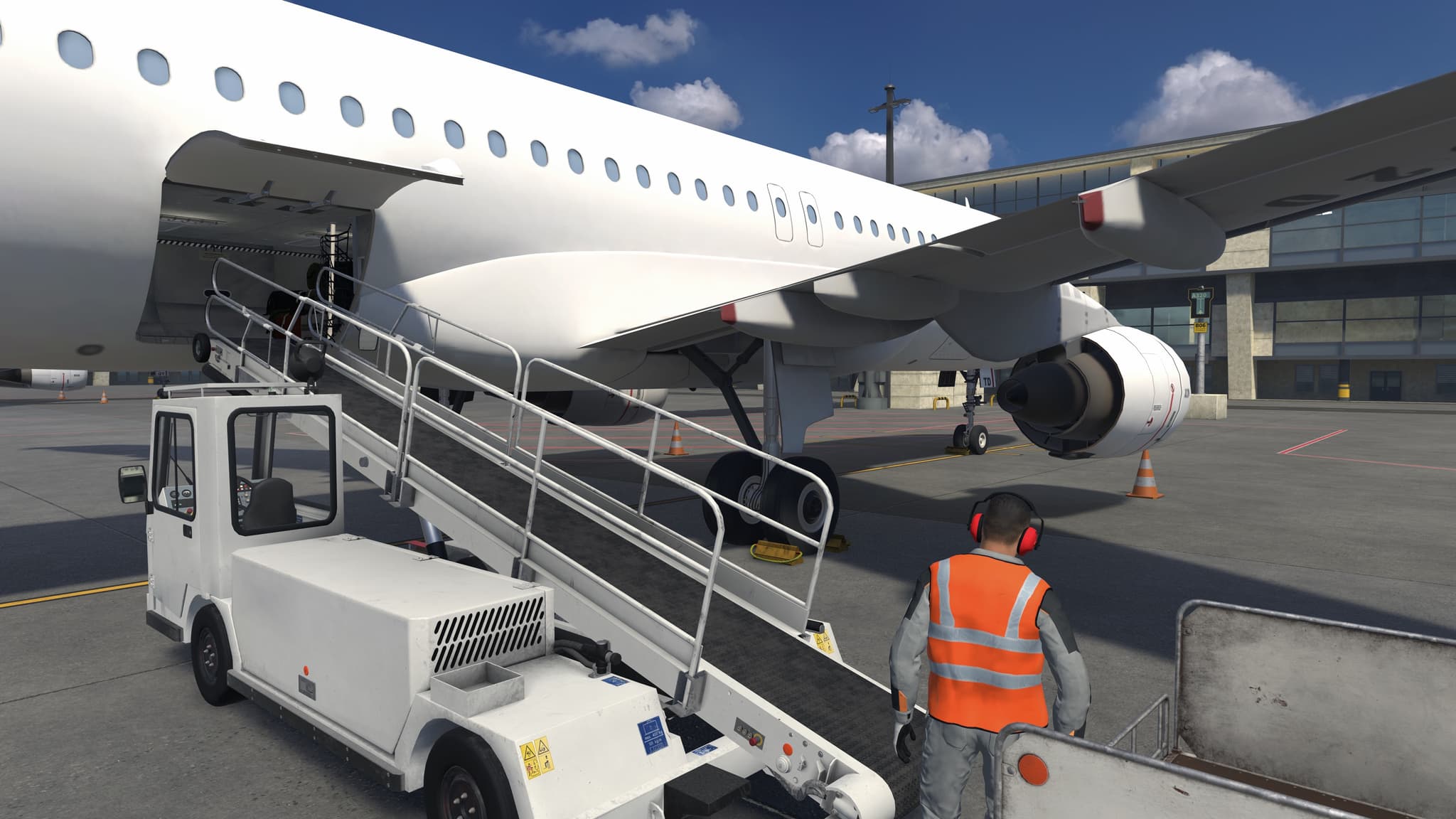
Practical Aircraft Loading and Unloading Training in Virtual Reality: Learn to lift, stack and transfer baggage safely between the cargo hold and the belt loader.

Course with 5 lessons across theoretical and practical training

Designed with sixteen safety scenarios for ergonomic, damage-free baggage handling.

In-depth aircraft loading and unloading training with 30 learning minutes.

Available in 9 languages: English, German, Dutch, Spanish, French, Greek, Arabic, Cantonese Chinese, and Turkish.
Training Content
All use cases covered by Draxon Aircraft Loading and Unloading VR Training
Learning Outcomes
Lessons
In use at innovative airports and trusted by industry leaders


















Real Results, Real Feedback
Hear from industry leaders transforming their training programs.
People are really, really excited. Top notch! And I'm thrilled because I don't have to rattle off the PowerPoint slides anymore. And everyone learns the same thing.

Draxon is easy to use and extremely efficient. Our trainees enjoy the VR trainings, and the knowledge really sticks.

If you aren't using AI and VR now, you're already behind.
Highlights of the Aircraft Loading and Unloading: Bulk Course
Get to know the key outcomes of the Aircraft Loading and Unloading: Bulk VR training.
Ergonomic Handling Discipline
Trains correct lifting posture and two-hand technique so baggage handlers build habits that protect their backs over a full career.
Coordinated Baggage Flow
Trainees practise the rhythm between the cargo hold and the belt loader base, keeping a steady flow without collisions or dropped bags.
Precision Stacking
Trains correct placement and stacking inside the hold to protect aircraft balance and prevent baggage shifting or damage in transit.
Integrated Failure Scenarios
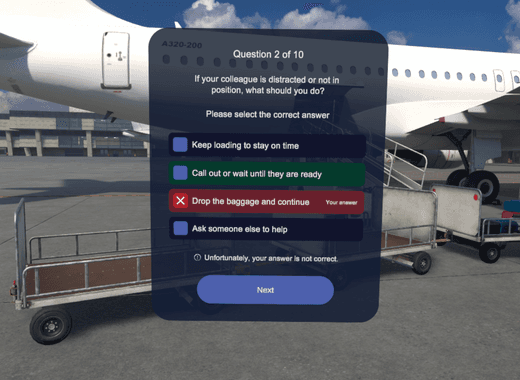
Realistic error scenarios let trainees recognise unsafe lifts and unstable stacks, and correct them before working a live aircraft.
Meeting the Highest Industry Standards
IATA
Built to meet IATA's global operational and safety requirements, supporting standardized and efficient aviation practices.

EASA
Aligned with EASA safety and regulatory standards to ensure consistent, reliable, and compliant aviation training.

GDPR
Designed with full GDPR compliance, ensuring secure data handling, privacy protection, and trusted information management.

Ready to start aircraft loading and unloading training?
Get everything you need to roll out VR training for your teams.
Questions? We have answers:
What skills are gained in the Aircraft Loading and Unloading VR Training course?
Trainees learn the full bulk baggage cycle in both directions. At the belt loader base they practise lifting baggage from the cart with correct two-hand technique and placing it onto the belt in the right orientation, and receiving baggage coming down the belt and loading it into the cart. Inside the cargo hold they practise receiving baggage from the belt, moving it with controlled posture in a confined space, and stacking it so the load stays stable in flight. Throughout, the course trains the coordination between the colleague in the hold and the colleague at the base that keeps the flow steady and safe.
Are the Aircraft Loading and Unloading Training lessons videos to watch?
No. Every lesson is hands-on. Trainees physically lift, carry, place and stack baggage in virtual reality, and the training responds to how they do it. Posture, grip and placement are all assessed as the trainee works, which is something a video cannot do.
Can the Aircraft Loading and Unloading VR Training course help reduce time needed for classroom training?
Yes. Manual handling theory, lifting technique and load distribution rules are normally taught in a classroom and then repeated on the ramp. In VR the trainee practises them directly in a realistic cargo hold, so the theory is learned by doing it. That removes much of the classroom portion and shortens the supervised on-the-job phase that follows.
What are the benefits of the Aircraft Loading and Unloading VR Training for real-world operations?
Bulk handling is where most ground handling back injuries originate, and where baggage damage and load instability start. Practising the lift, the carry and the stack until they are habit means the trainee arrives on the ramp already moving correctly. Stations see fewer manual handling injuries, less baggage damage, and a more consistent loading standard across shifts and crews.
Can people with a tendency to motion sickness do the Aircraft Loading and Unloading VR training?
Yes. Less than 3% of trainees report any symptoms. The lessons are designed around purposeful, smooth movement, and the trainee stays at a fixed working position for most of the training rather than being moved around the scene.
Is the Aircraft Loading and Unloading VR Training applicable for initial training?
Yes. It is built for new starters. A new baggage handler can learn the correct lifting and stacking technique, and experience what an unstable stack or an unsafe lift leads to, entirely in the virtual environment before ever working a live aircraft turnaround.
Is the Aircraft Loading and Unloading VR Training aligned with IATA standards?
Yes, the course is developed in alignment with IATA AHM 1110 and IGOM guidelines. The loading and unloading sequences, the load distribution and stacking practice inside the hold, and the coordination between the hold and the belt loader base all follow IATA-compliant ramp handling practice.
Is the Aircraft Loading and Unloading VR Training aligned with EASA standards?
Yes, the training design is aligned with EASA safety principles. The manual handling routines, the safe working posture in a confined cargo hold, and the load security practices trained in this course reflect the apron safety expectations EASA sets for ground handling operations.