
:format(webp))
Pushback (Towbar)
Practical Pushback Training in Virtual Reality: Master tractor driving, safe equipment handling, and the complete pushback procedure from preparation through to completion.

Module with 17 lessons covering equipment foundations, driving training, and live pushback operations.

Designed for ground handling operators: from new starters to professionals, covering equipment foundations, driving training, and advanced pushback operations.

In-depth pushback training with 156 training minutes across equipment, driving, and live operations modules.

Our pushback training is available in 9 languages: English, German, Dutch, Spanish, French, Greek, Arabic, Cantonese Chinese, and Turkish.
Training Content
All use cases covered by Draxon Pushback VR Training
Learning Outcomes
Course Overview Video
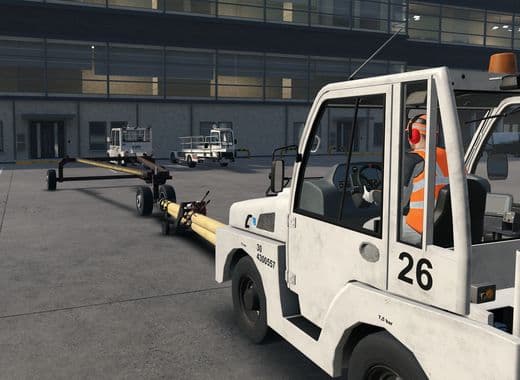
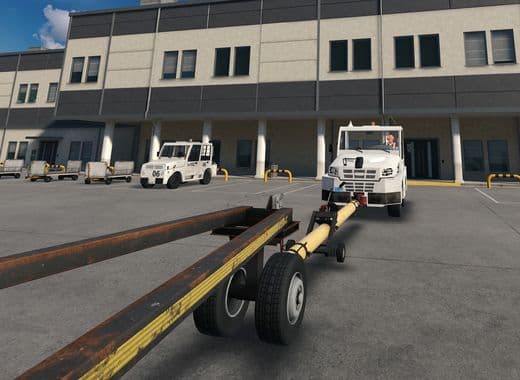
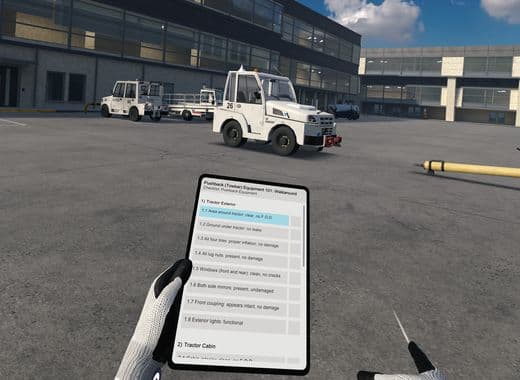
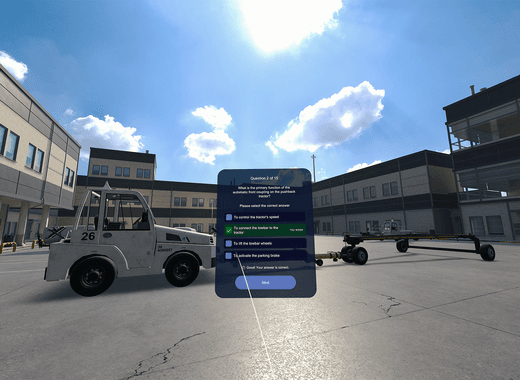
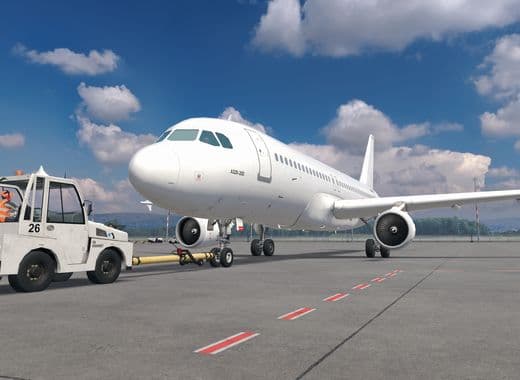
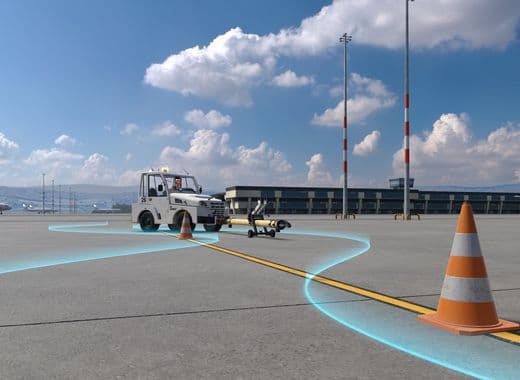
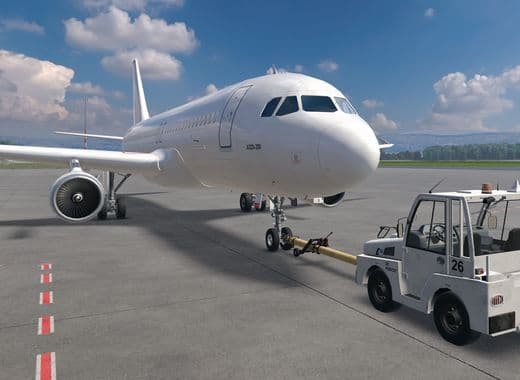
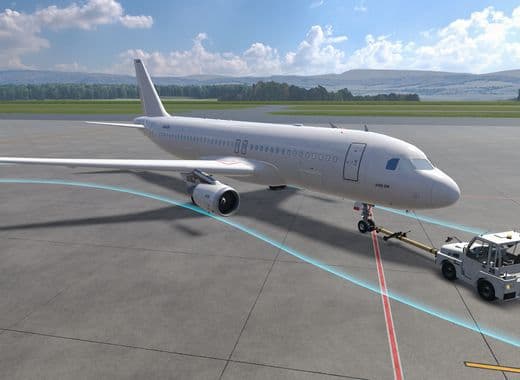
In use at innovative airports and trusted by industry leaders














Real Results, Real Feedback
Hear from industry leaders transforming their training programs.
When a trainee performs their first real pushback, the respect for the aircraft is almost unimaginable, it's close to fear. In real operations, you simply can't recreate failure scenarios because the aircraft has to fly. In VR, trainees can experience those situations, understand what happens when things go wrong, reset the scenario, and practice again, without the pressure and stress of live operations.

When a technical defect happens on the ramp, even people with fifteen years of experience say: 'I have never seen this before.' You cannot train for that at the real aircraft. In VR, we simulate it.

It is a game-changing learning experience for the staff. It brings aspects of ramp handling closer to them in a way that they understand while allowing them to do training anytime, anywhere.

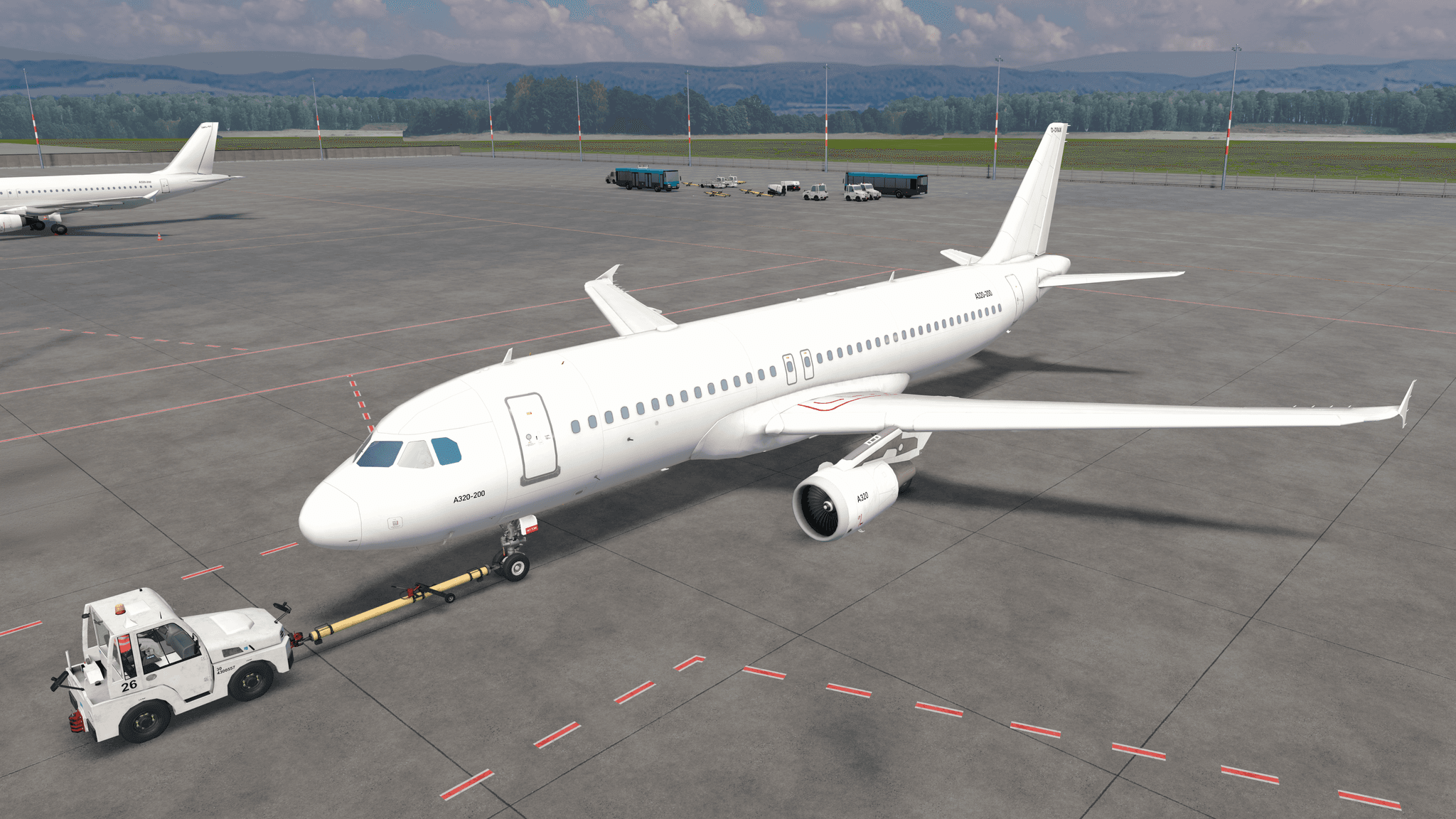
Highlights of the Pushback (Towbar) Training Course
Get to know the key outcomes of the Pushback (Towbar) VR training.

Tractor Driving & Maneuvering
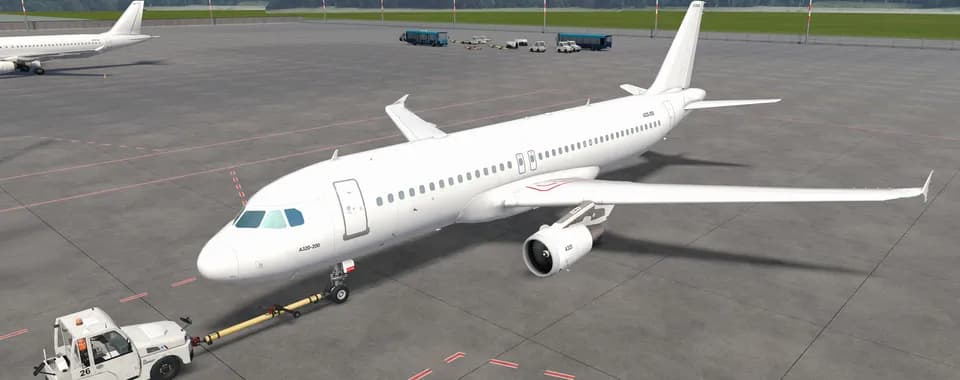
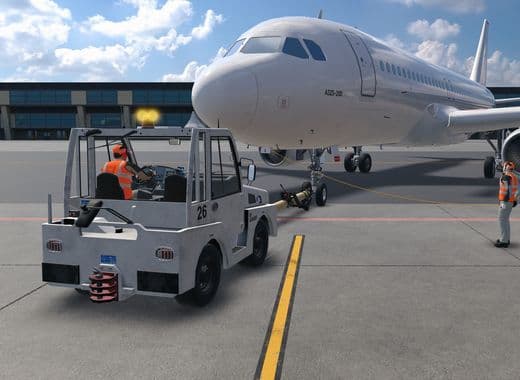
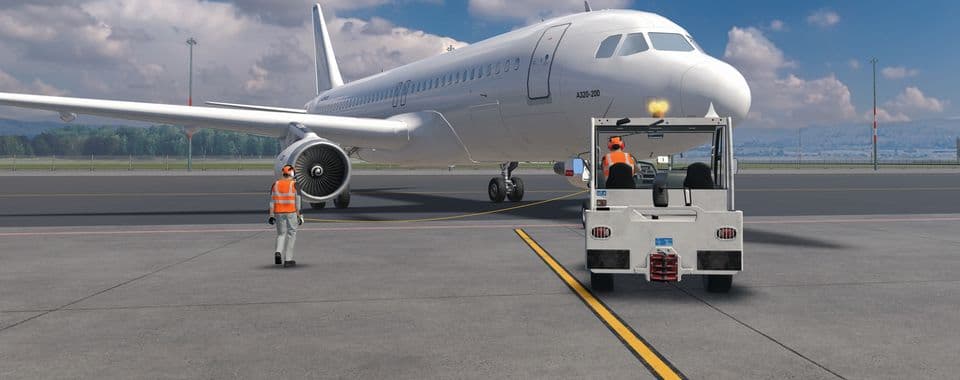
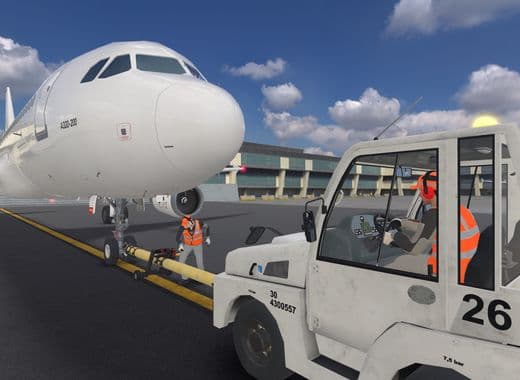
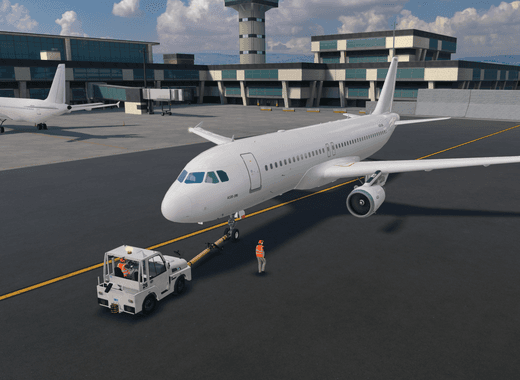
Trainees operate a pushback tractor in VR — learning vehicle controls, safe apron driving, and executing left turns, right turns, and dog-leg maneuvers with real-time guidance and error correction.

Safe Coupling & Equipment Handling
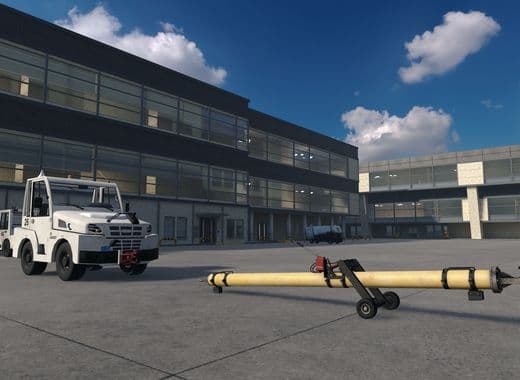
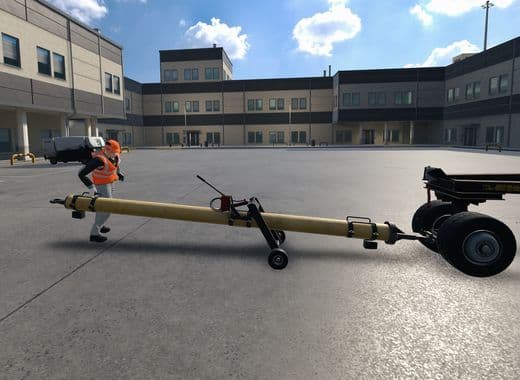
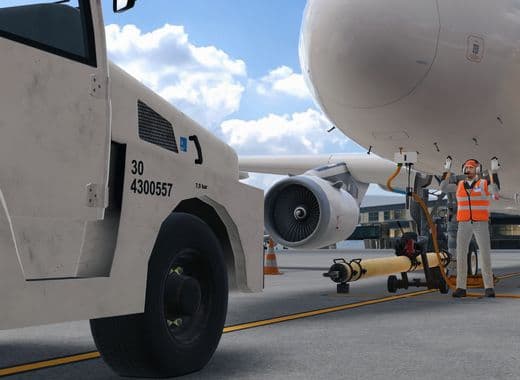
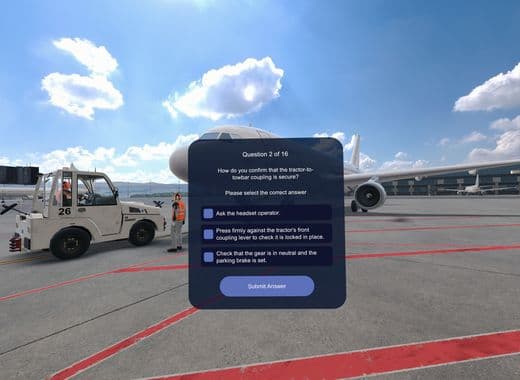
Trainees practice standardized procedures to couple the towbar to aircraft and tractor, verify secure locking, and detach in the correct sequence — reducing the risk of equipment damage or injury in live operations.

End-to-End Pushback Workflow
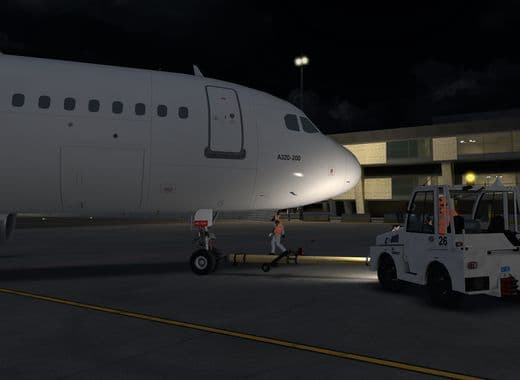
Training covers the full pushback process — from walkaround and equipment checks through driving, executing the pushback, and final disconnection — ensuring trainees are ready for every stage before moving to live operations.
Meeting the Highest Industry Standards
IATA
Built to meet IATA’s global operational and safety requirements, supporting standardized and efficient aviation practices.
EASA
Aligned with EASA safety and regulatory standards to ensure consistent, reliable, and compliant aviation training.

GDPR
Designed with full GDPR compliance, ensuring secure data handling, privacy protection, and trusted information management.
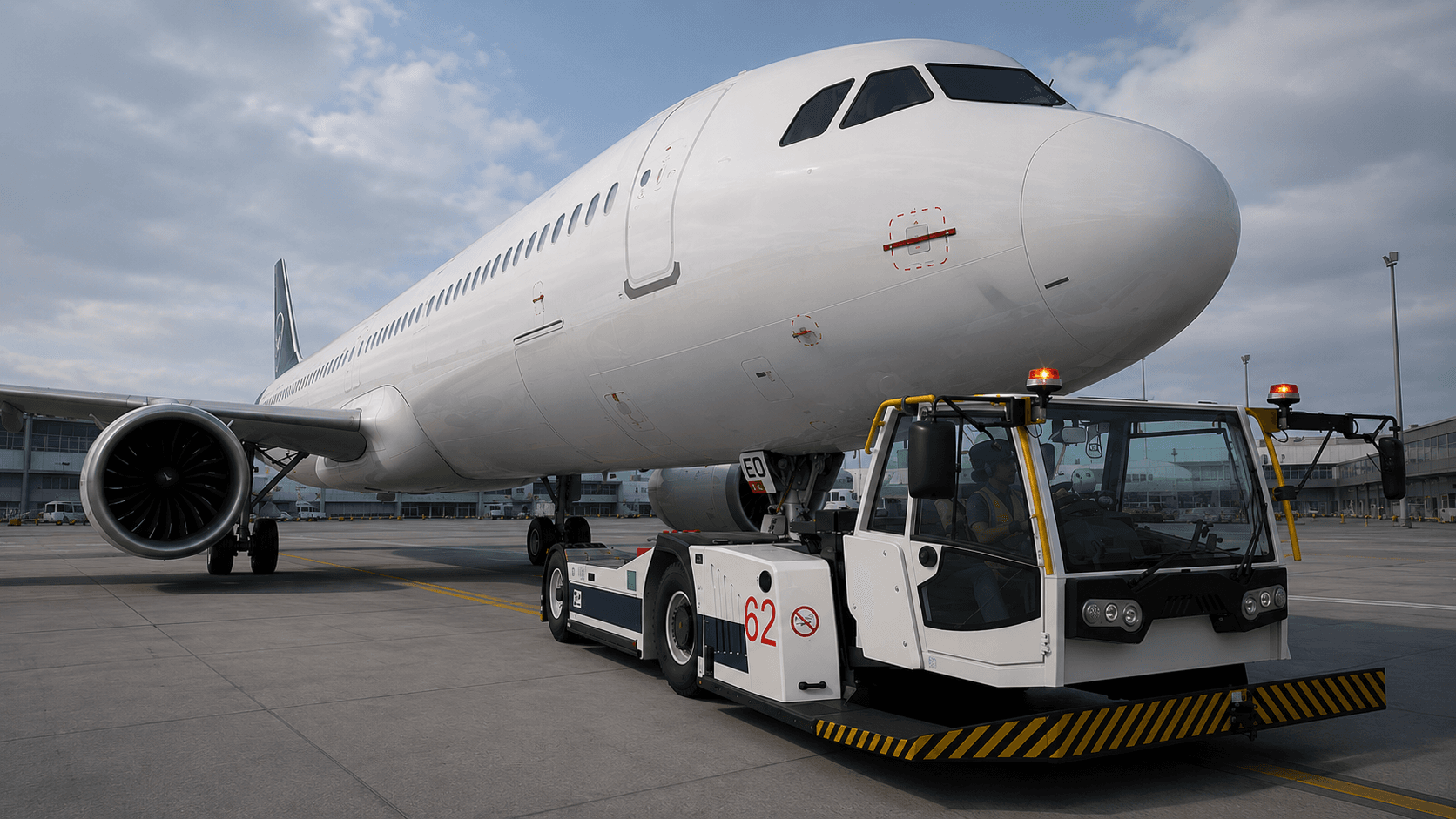

Ready to start Pushback training?
Get everything you need to roll out VR training for your teams.
Questions? We have answers:
What skills are gained in the Pushback (Towbar) VR Training module?
The Pushback (Towbar) VR Training covers the full range of skills needed for towbar-based pushback operations. Trainees learn to complete a walkaround inspection, couple and detach the towbar correctly, and handle the steering bypass pin safely. The driving training module then builds tractor operation skills — including vehicle controls and executing left turns, right turns, and dog-leg maneuvers. Advanced lessons cover the complete pushback procedure from preparation through to final disconnection, with exams testing knowledge at each stage.
Are the Pushback Training lessons videos to watch?
No. The pushback lessons are fully interactive VR scenarios where trainees perform the steps themselves — handling equipment, driving the tractor, executing maneuvers, and receiving immediate feedback. This hands-on format builds procedural discipline and spatial awareness more effectively than passive video-based training.
Is the Pushback (Towbar) VR Training applicable for initial training?
Yes. The module is structured specifically for new starters — starting with equipment foundations and walkaround inspections, progressing through tractor driving, and building up to the full pushback procedure. Each stage prepares trainees for the next, reducing risk when they move to supervised on-apron practice.
Is the Pushback (Towbar) VR Training applicable for recurrent training?
Yes. The training is well suited for recurrent use across all three modules — equipment checks, driving procedures, and pushback operations. Experienced staff can refresh sequences, reinforce correct habits, and stay consistent with standard operating procedures without disrupting live operations.
Can the Pushback (Towbar) VR Training course help reduce time needed for classroom training?
Yes. Because trainees practice procedures directly in VR and receive immediate feedback when mistakes occur, the module reduces time spent explaining sequences in theory. This applies to both equipment handling and driving procedures, freeing up more time for higher-value coaching and supervised live practice.
What are the benefits of the Pushback (Towbar) VR Training for real-world operations?
The training helps trainees internalize the safety-critical order of actions across the full pushback workflow — from coupling and bypass pin handling to tractor maneuvering and final disconnection. Practicing in VR reduces avoidable procedural errors, builds consistent driving habits, and improves readiness for supervised on-apron training.
Can people with a tendency to motion sickness do the Pushback (Towbar) VR training?
Yes, most people can complete the pushback VR training comfortably. The scenarios are designed around stable ramp environments with controlled movement and intuitive interactions to keep the experience comfortable while maintaining high training value.
Is the Pushback (Towbar) VR Training aligned with IATA or EASA standards?
Yes. The training design is aligned with EASA safety principles and IATA ground handling standards. The module incorporates safety-critical routines — walkaround inspections, correct coupling and detachment sequencing, mandatory lock-and-pin verification, and standardized driving procedures — that reflect operational training guidance and support safe behavior in live ramp operations.