
VR Ground Handling Training
Immersive ramp agent training built on IATA standards. Used by 25+ airports and ground handlers worldwide.
What is VR Ground Handling Training?
Virtual reality ground handling training uses immersive 3D simulations to teach ramp agents the procedures, safety protocols, and equipment operations they need before working airside. Instead of classroom slides or risky on-the-job shadowing, trainees practice hands-on in a realistic virtual airport — making mistakes safely, building muscle memory, and gaining confidence before ever stepping onto a live ramp.
How it works
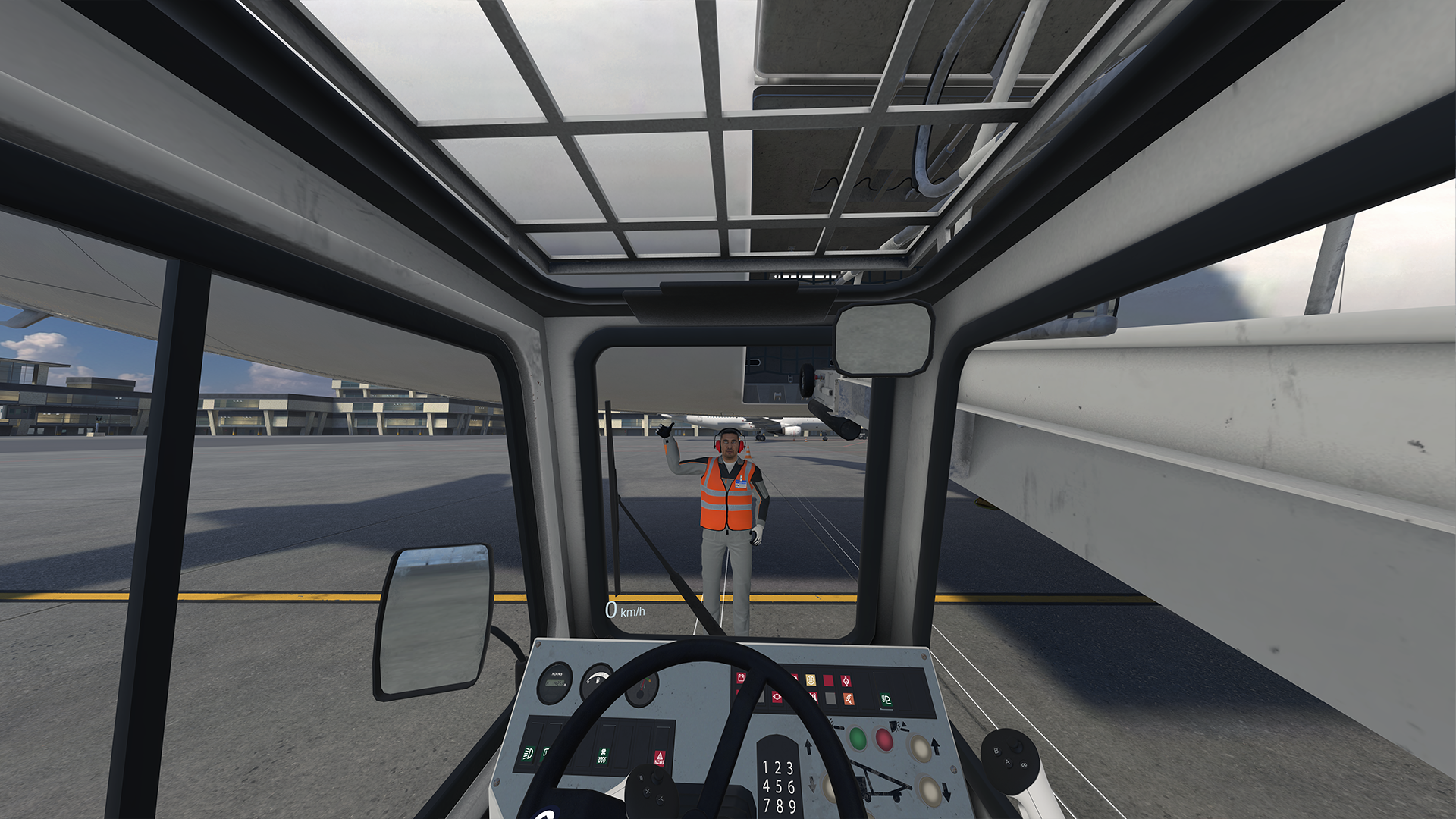
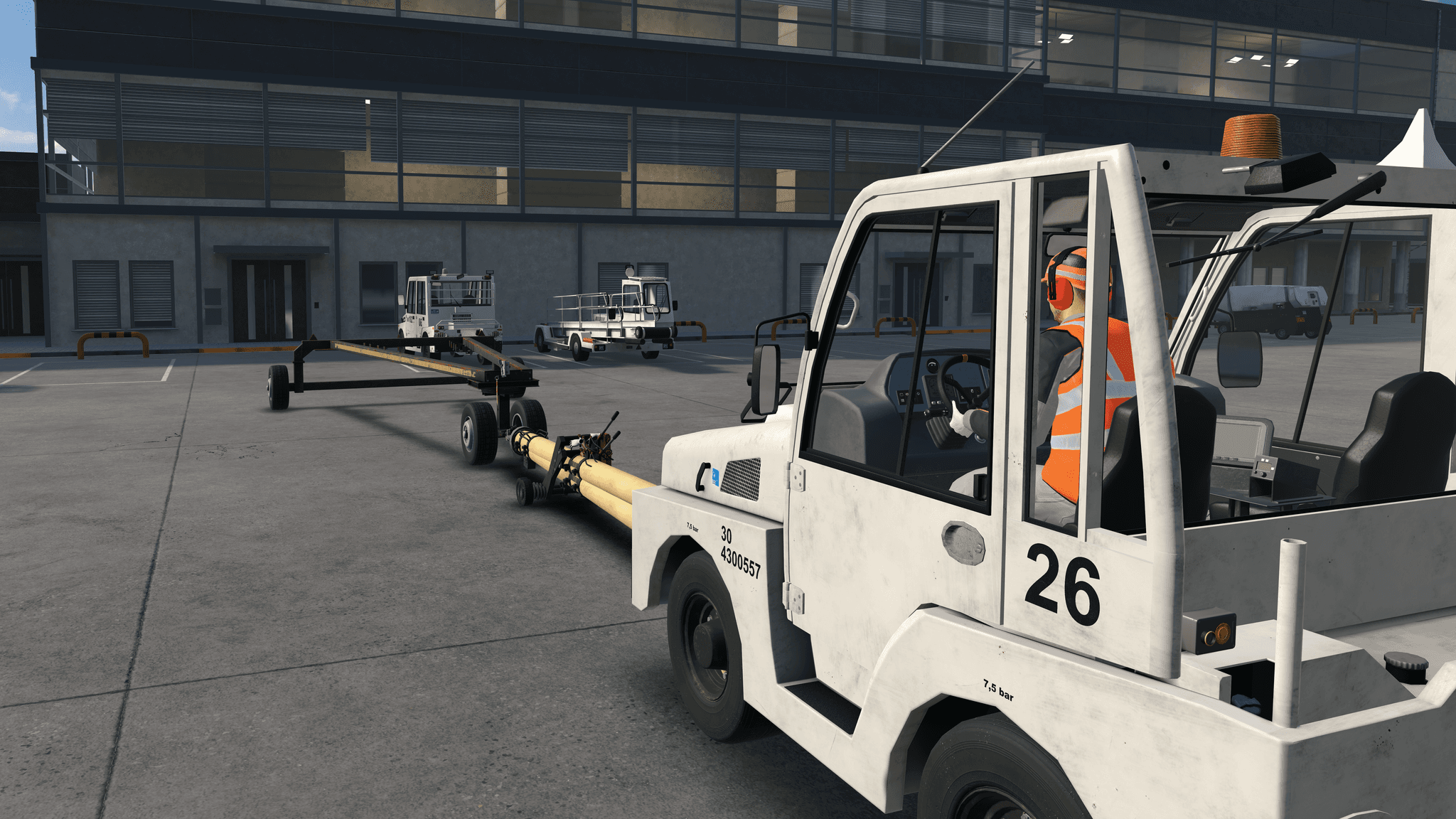
Trainees put on a standalone VR headset (Meta Quest) and enter a full-scale 3D airport environment with aircraft, ground support equipment, and realistic physics. They physically perform procedures — coupling towbars, operating belt loaders, giving hand signals, communicating with the flight deck — with immediate feedback on every action. No PC, external sensors, or dedicated facility required.
Why it works
VR training achieves 80% knowledge retention compared to 20% with classroom-only methods. Trainees learn 40% faster because they practice physically rather than passively watching. There are no scheduling constraints — no need to wait for aircraft availability, good weather, or instructor schedules. And every trainee gets identical, standardized training regardless of location.
Training Courses


Real results, real feedback
Hear from industry leaders transforming their training programs.
Every trainee goes through exactly the same scenarios at exactly the same quality, whether they start in January or July. That consistency is what raises safety across the operation.

Without VR, we were typically training new colleagues at a mock-up on the apron, ten trainees around one trainer, while an A380 takes off next to them. No trainer can compete with that. In VR, trainees go through every step without distraction, and they understand it before they ever touch the real equipment.


Theoretical training, endless PowerPoint slides just aren't in the DNA of people in our industry.

Frequently Asked Questions
What is VR ground handling training?
VR ground handling training uses virtual reality headsets to simulate airport ramp operations. Trainees practice real procedures — aircraft pushback, belt loader operations, hand signals, headset communication — in an immersive 3D environment. It replaces or supplements classroom theory and on-the-job shadowing with hands-on practice that is safe, repeatable, and standardized.
What equipment is needed?
Draxon runs on standalone Meta Quest VR headsets — no PC, external sensors, or dedicated training room required. A headset, a clear 2x2m play space, and a WiFi connection is all you need. Most organizations purchase headsets pre-configured and ready to use.
Is the training built on IATA standards?
Yes. All Draxon training content is built on IATA Airport Handling Manual (AHM) and Ground Operations Manual (IGOM) procedures. One module is officially IATA RampVR Certified — meaning it meets IATA's quality standard for VR-based ground handling training. The remaining modules follow the same standards and methodology.
How does VR compare to classroom training?
VR training achieves 80% knowledge retention compared to 20% with classroom-only methods. Trainees learn 40% faster because they practice physically rather than passively watching. VR also eliminates scheduling constraints — no need to wait for aircraft availability, good weather, or instructor schedules.
Which ground handling procedures can be trained in VR?
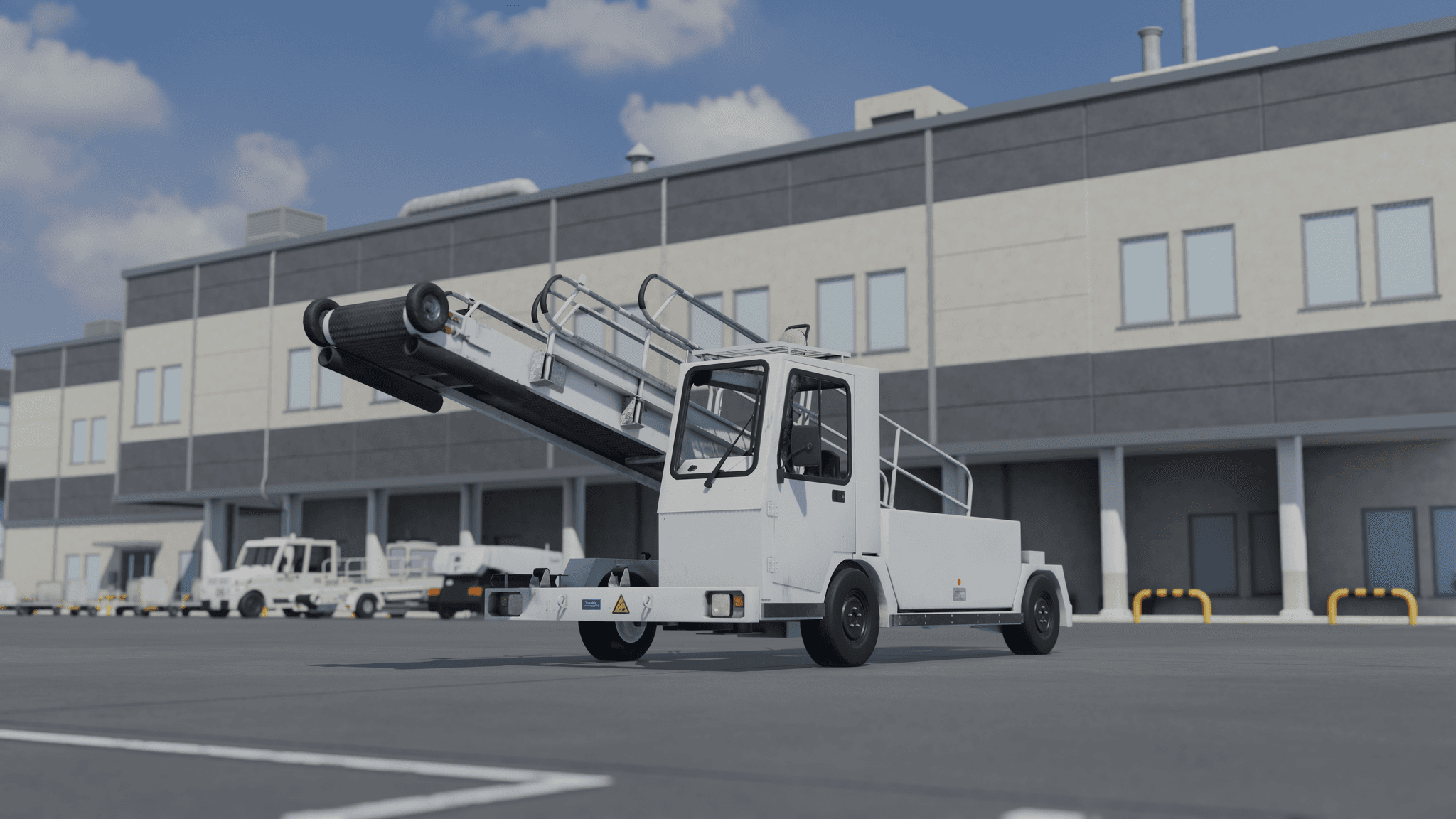
Draxon currently offers courses for: aircraft pushback (towbar), belt loader operations, ramp hand signals, headset/ground-to-cockpit communication, aircraft arrival procedures, airport tractor operations, towable stairs, and Power Stow belt loader. New courses are released regularly.
Can I track trainee progress?
The Draxon Trainer Hub provides real-time dashboards showing each trainee's completion status, scores, and areas needing improvement. Automated scoring identifies weak points, and certificates are generated upon course completion.
How long does training take?
Each course takes 30–90 minutes depending on complexity. A full program covering multiple procedures typically takes 1–2 weeks at 1–2 hours per day. Because VR is self-paced, trainees progress based on their experience level.

Ready to modernize your ground handling training?
Book a live demo to see VR training in action.