Draxon VR Training Syllabus
Walkaround
 Virtual Reality
Description
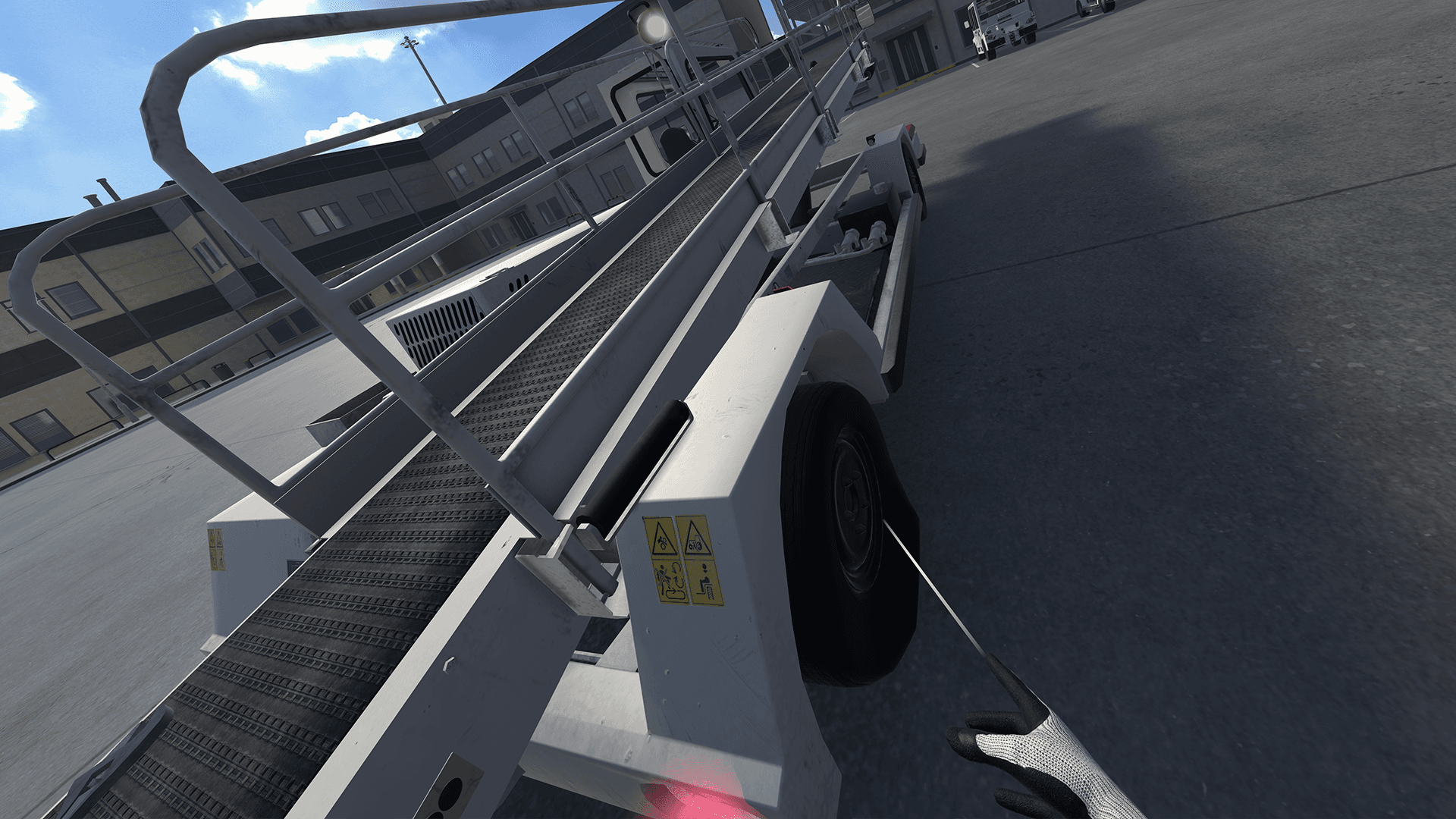
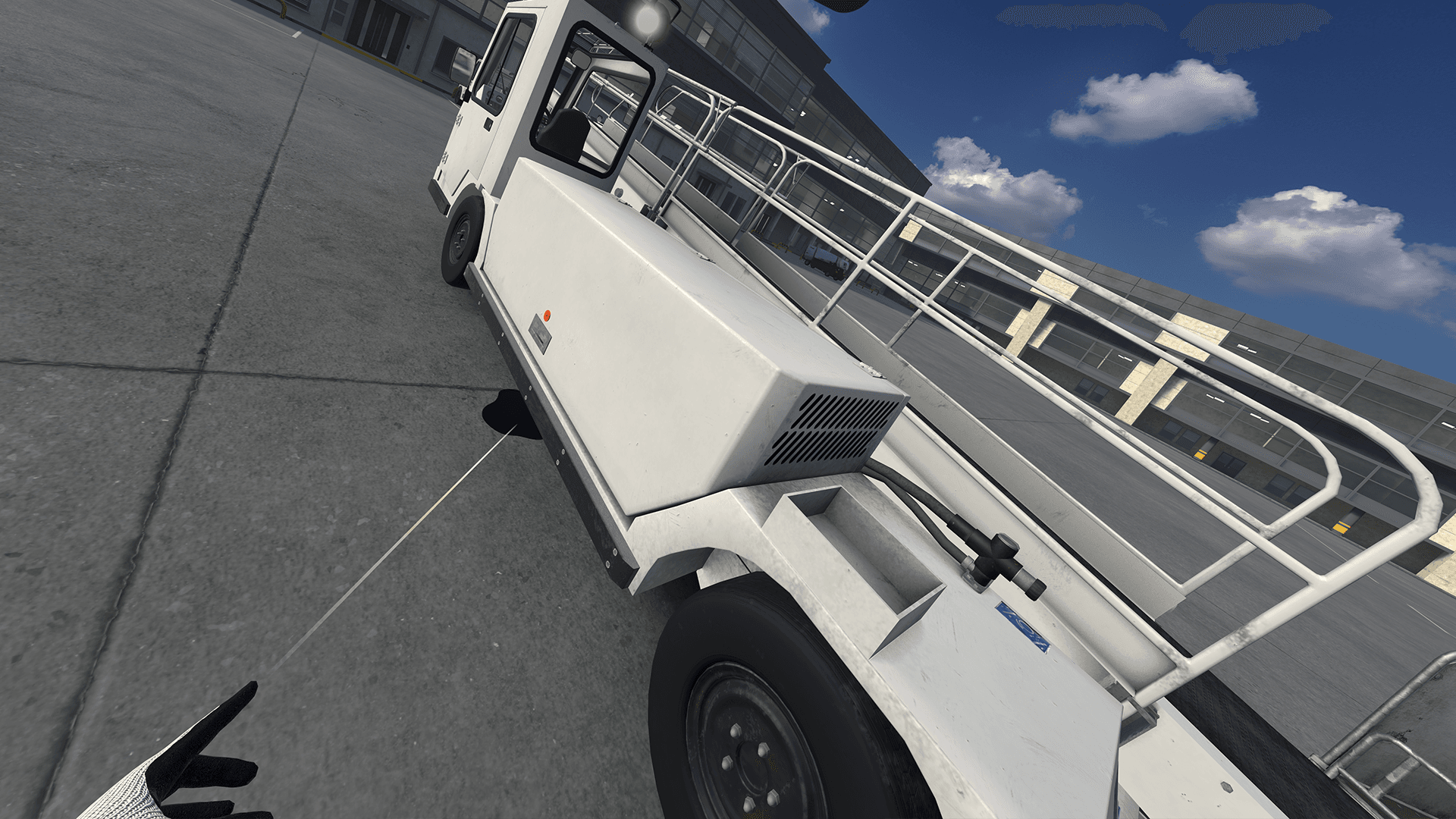
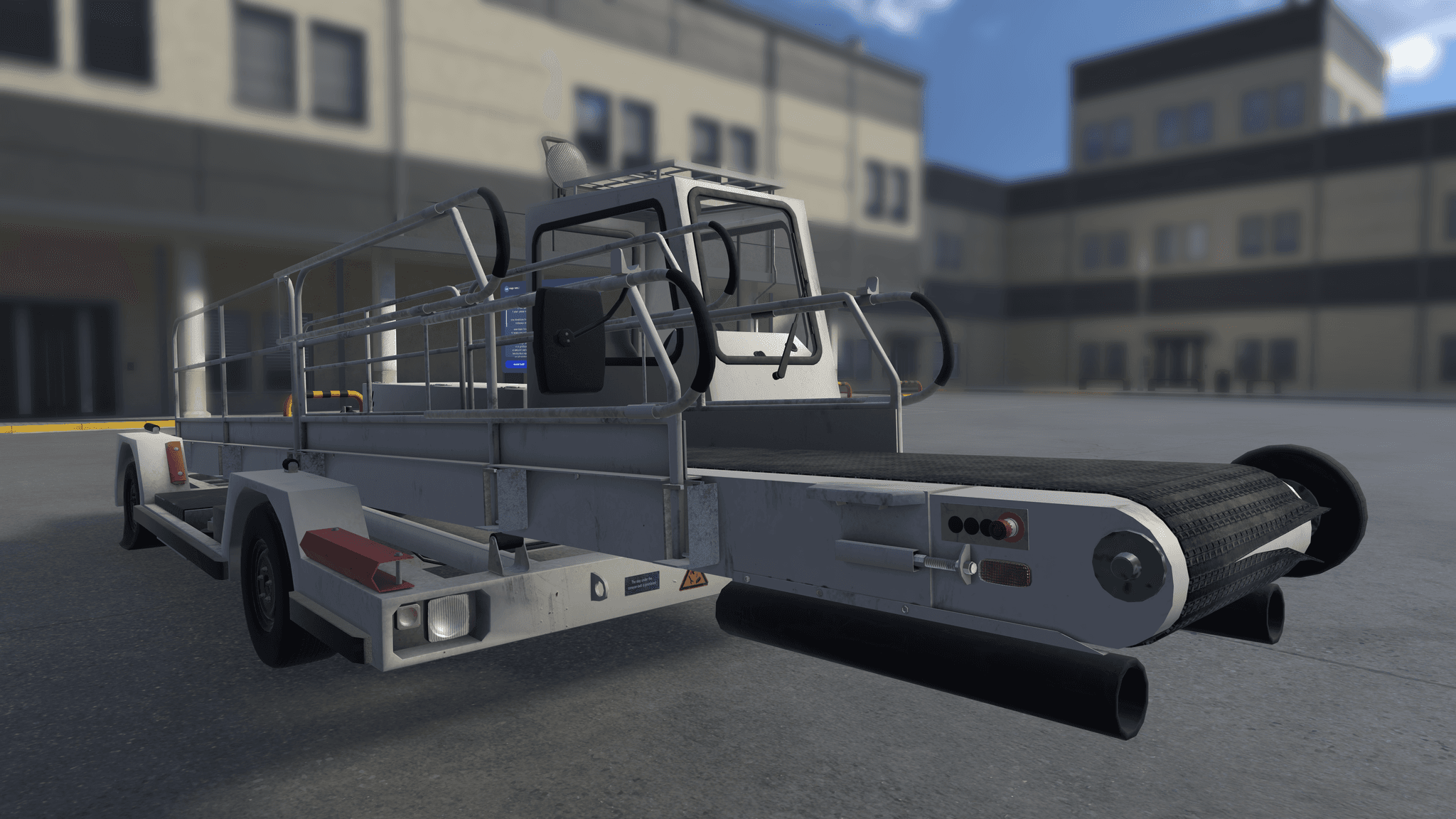
This lesson enables trainees to perform a complete pre-operation walkaround of a belt loader. They learn to inspect all key systems, identify unsafe conditions, and detect common faults before operation to ensure safety and reliability on the ramp.
Lesson Overview
- 1Introduction to the purpose and importance of the walkaround
- 2Guided tour of all major inspection points
- 3Explanation of what to look for and why each check matters
- 4Hands-on exercise to identify planted faults on a defective belt loader
- 5Feedback on identified problem areas and corrective actions
Skills Acquired
- Perform a full 18-point pre-operation inspection
- Identify damage, leaks, and missing or misaligned parts
- Detect and interpret common faults such as low fluids or broken lights
- Build habits that prevent ramp incidents and delays
Lesson procedure
- The trainee begins beside the belt loader and learns that the goal of the walkaround is to ensure the equipment’s safety and readiness before use.
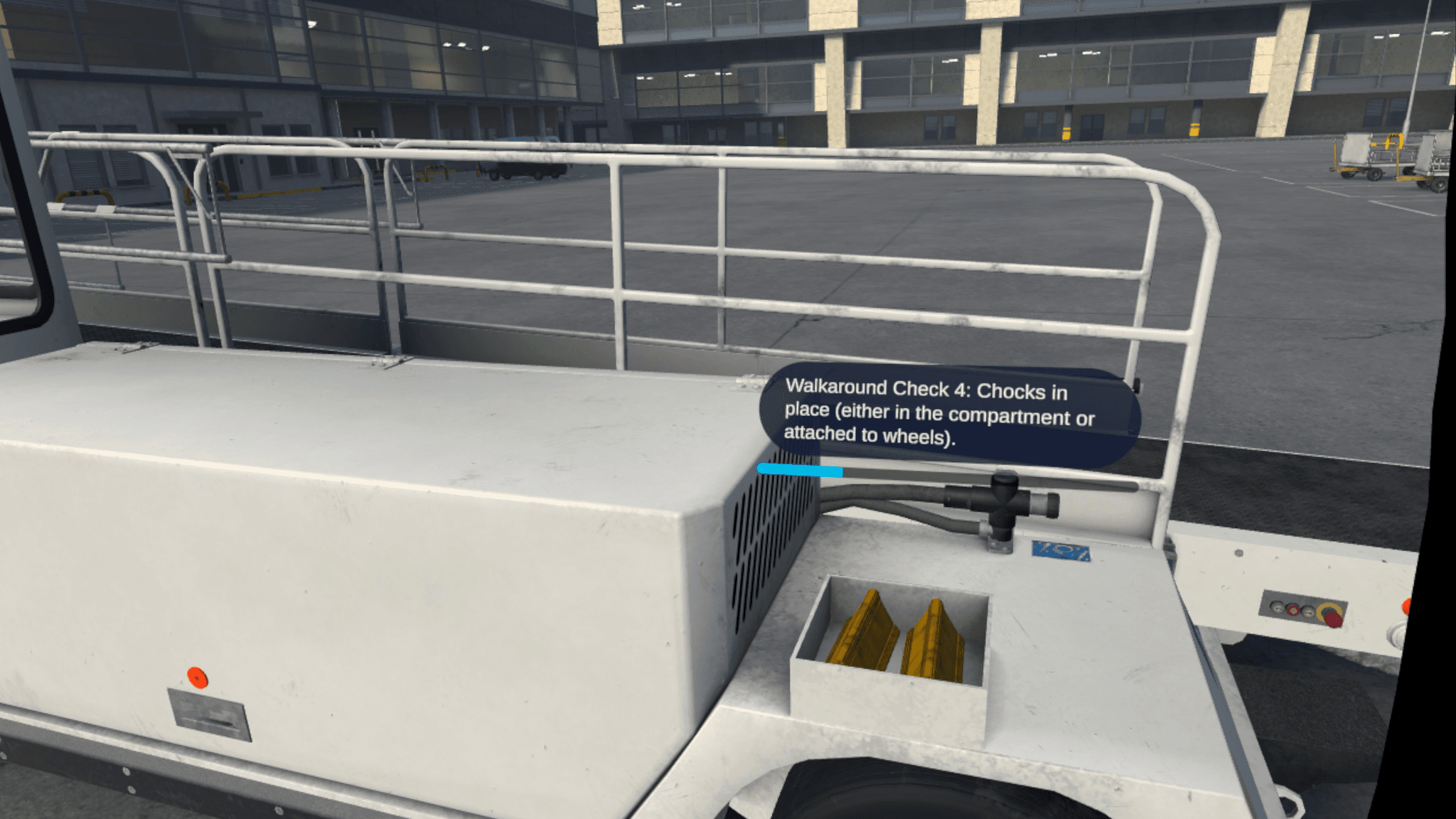
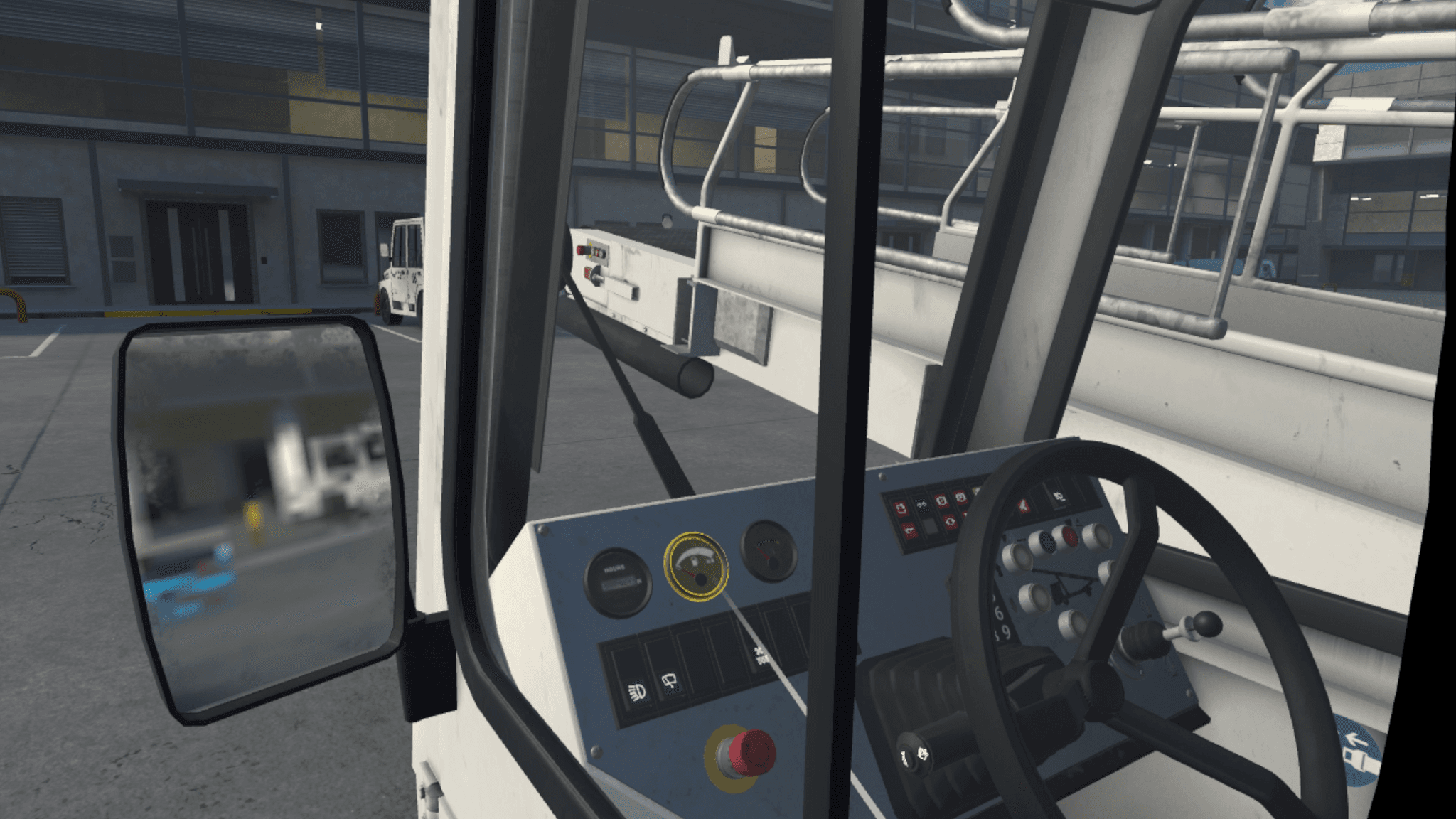
- The system leads the trainee through 18 inspection points, including brake status, FOD removal, guardrail retraction, tire and fluid checks, lights, and conveyor functionality. Each point combines a label, text overlay, and voice-over explaining what to inspect and why it matters.
- After completing all checkpoints, a summary reinforces that every belt loader must undergo a full inspection before operation.
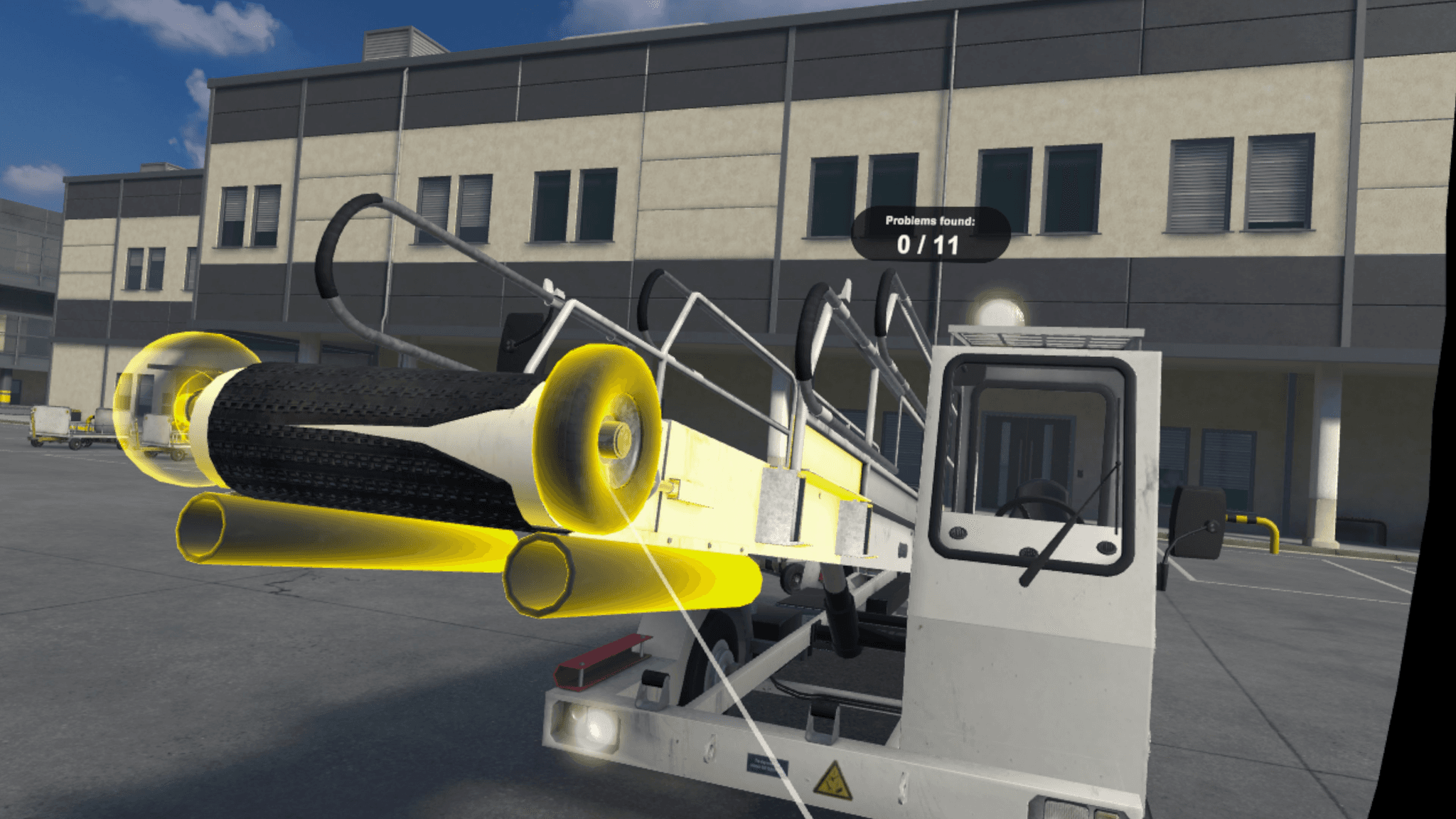
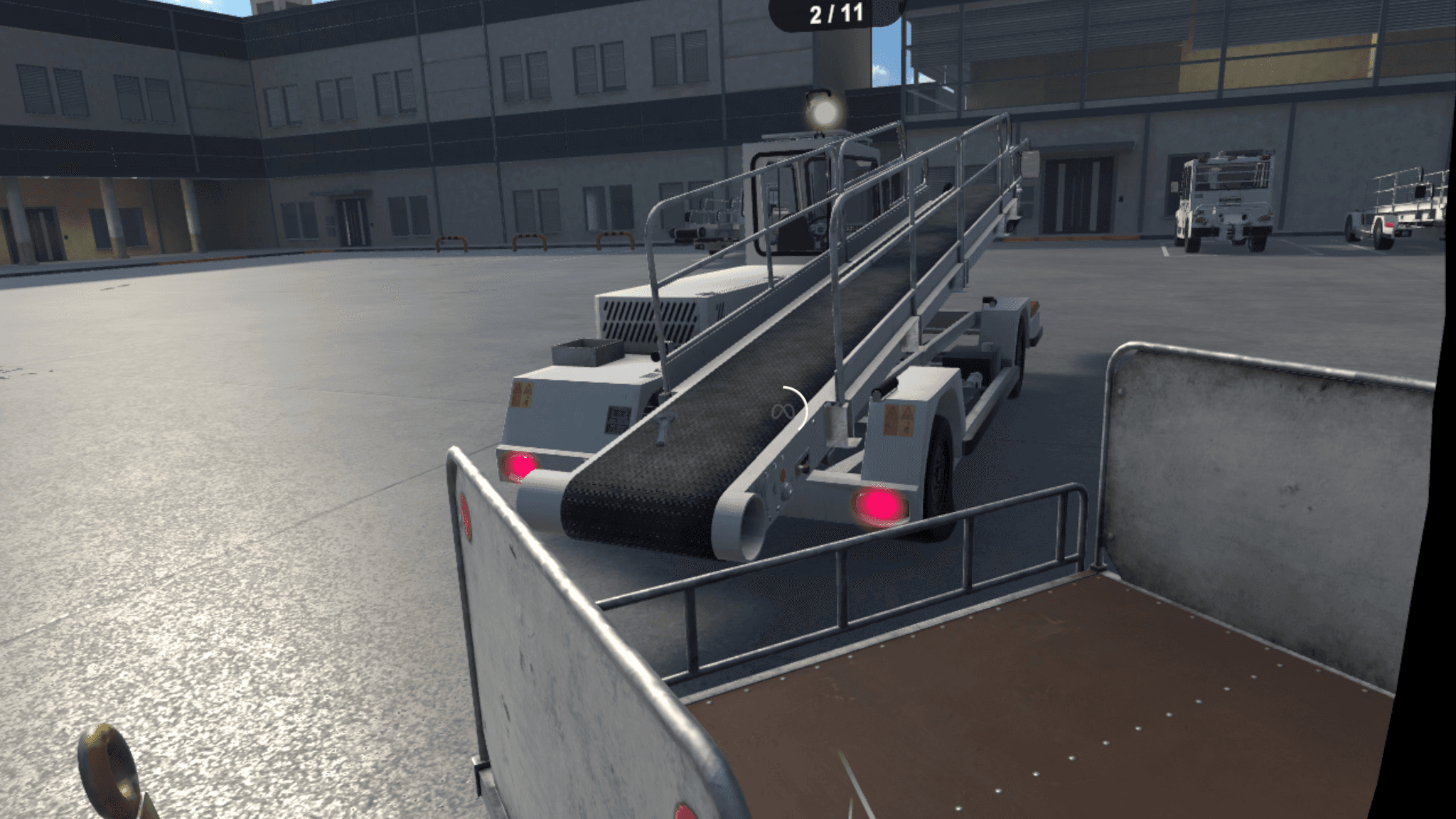
- The environment reloads with a belt loader containing 10 planted faults (see Safety Scenarios & Learnings). The trainee uses the controller to identify each issue, receiving immediate visual and audio feedback. A counter tracks problems found.
- The first two faults are demonstrated. Remaining issues must be found independently, with guided hints after inactivity.
- The lesson concludes once all faults have been identified. A summary confirms that the 18-step walkaround has been understood and that equipment hazards have been correctly identified.
Safety Scenarios & Learnings
Improper belt position & equipment setup
Teaches the importance of fully lowering the belt and completing proper shutdown before inspection or movement.
Teaches the importance of fully lowering the belt and completing proper shutdown before inspection or movement.
Low fuel level & fluid leak
Builds awareness of fluid checks and leak detection to prevent ramp-side failures.
Builds awareness of fluid checks and leak detection to prevent ramp-side failures.
FOD hazard
Reinforces equipment and area cleanliness to avoid jams or injuries from loose tools or debris.
Reinforces equipment and area cleanliness to avoid jams or injuries from loose tools or debris.
Obstructed surroundings & missing chocks
Emphasizes securing vehicles and maintaining clear zones before approach.
Emphasizes securing vehicles and maintaining clear zones before approach.
Guardrail not retracted
Instills the habit of stowing components to prevent damage to the plane or unsafe movement.
Instills the habit of stowing components to prevent damage to the plane or unsafe movement.
Structural and lighting defects
Highlights how damage can impair performance, visibility, and compliance.
Highlights how damage can impair performance, visibility, and compliance.
Gallery